
Dubai Civil Defence Compliance: What Building Owners Need to Know Before 2026
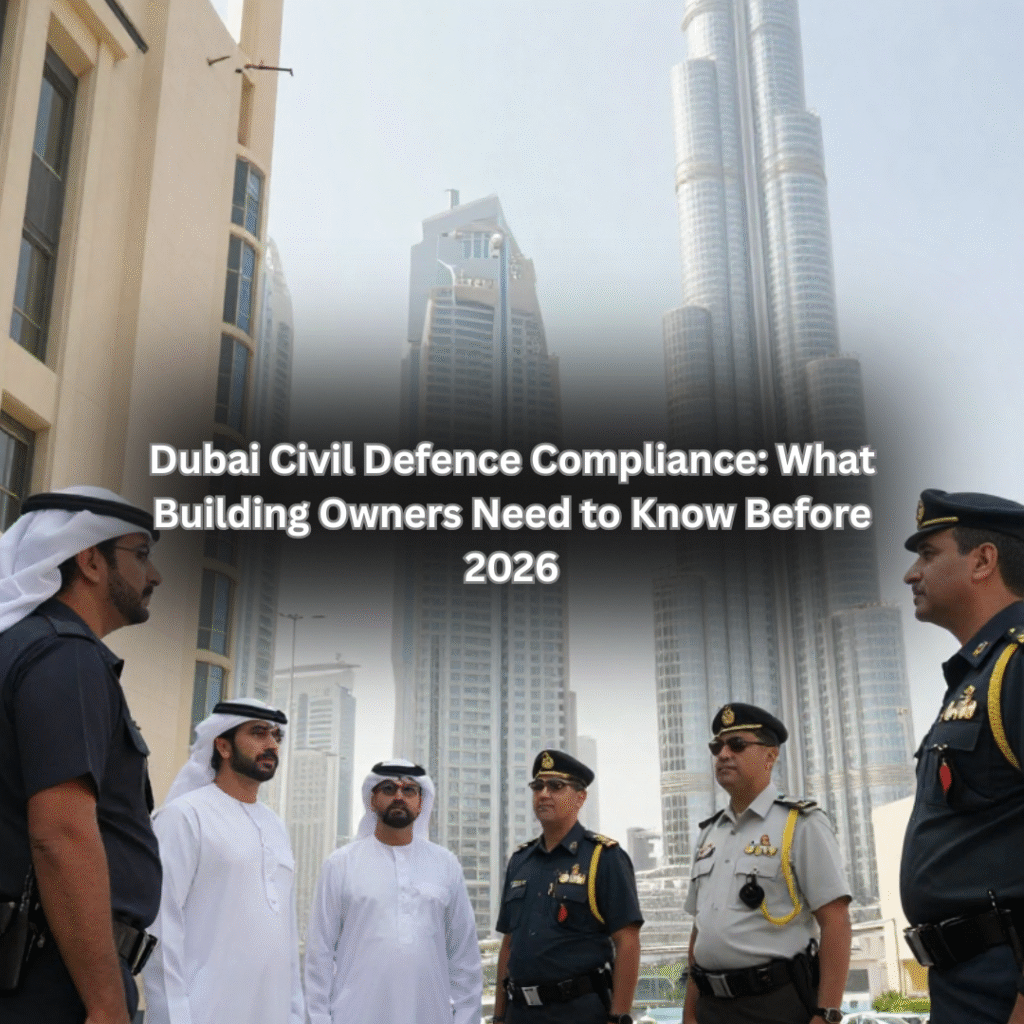
Dubai’s skyline keeps rising, but behind every tower, hotel, warehouse, and commercial space sits a serious responsibility. Fire safety is not optional, it is regulated, enforced, and evolving fast. As 2026 approaches, Dubai Civil Defence is tightening expectations, closing loopholes, and demanding stricter accountability from building owners.
If you own, manage, or invest in property, understanding Dubai fire compliance is no longer just about approvals. It is about operational readiness, risk reduction, and long-term protection of lives and assets.
This guide breaks down what building owners must know, what is changing, and how to stay compliant without stress or penalties.
Why Dubai Fire Compliance Is Getting Stricter
Dubai Civil Defence has always taken fire safety seriously, but recent years have shown why stronger enforcement is necessary. Rapid urban growth, mixed use buildings, aging infrastructure, and increased occupancy have raised fire risks across residential, commercial, and industrial sectors.
Authorities are shifting from reactive inspections to proactive compliance models. This means more frequent audits, digital monitoring, and zero tolerance for expired systems or missing documentation.
In simple terms, Dubai fire compliance is moving from checklist-based approval to continuous responsibility.
What Dubai Civil Defence Expects from Building Owners
Many owners assume compliance ends once a completion certificate is issued. That assumption is risky.
Dubai Civil Defence places full responsibility on the building owner or authorized facility manager. You are expected to ensure that all fire and life safety systems remain functional at all times.
This includes fire alarms, fire pumps, sprinklers, emergency lighting, smoke extraction systems, and fire extinguishers. Even one neglected system can put your entire property at risk of non-compliance.
Maintaining Dubai fire compliance is not a one-time event. It is an ongoing obligation.
The Role of Annual Maintenance Contracts
One of the most common reasons buildings fail inspections is improper or inconsistent maintenance. Civil Defence clearly requires certified Annual Maintenance Contracts for all firefighting systems.
These contracts must be issued by approved service providers and include routine inspections, testing, and reporting. Paper contracts without actual site visits are increasingly flagged.
If your AMC provider is not updating records in the Civil Defence portal, your Dubai fire compliance status could be compromised without you realizing it.
Digital Monitoring and Smart Compliance Systems
Dubai is moving toward smart safety infrastructure. Fire alarm panels connected to remote monitoring, digital inspection logs, and centralized reporting systems are becoming standard.
By 2026, many buildings will be expected to integrate with Civil Defence digital platforms. Manual reporting and outdated panels may no longer be acceptable.
Smart systems not only improve response time but also strengthen Dubai fire compliance by providing real-time system health data.
Fire Risk Assessments Are No Longer Optional
Fire risk assessments were once seen as advisory. Today, they are critical.
Civil Defence expects building owners to identify risks based on occupancy type, layout changes, and usage patterns. Restaurants, warehouses, gyms, and co-working spaces all carry different fire loads.
Failing to update your fire risk assessment after renovations or tenant changes can directly affect your Dubai fire compliance status.
Common Compliance Gaps Building Owners Ignore
Many violations come from simple oversights.
Blocked emergency exits. Expired extinguishers. Disabled alarm zones. Unauthorized interior modifications. Inadequate signage. Missing evacuation plans.
These issues may seem minor until inspection day. Civil Defence inspectors focus on real-world readiness, not just installed equipment.
True Dubai fire compliance means your building can respond effectively in an actual emergency, not just look compliant on paper.
Penalties for Non-Compliance Are Increasing
Non-compliance is no longer treated lightly. Fines, warnings, system shutdowns, and approval suspensions are becoming more common.
In severe cases, buildings may face partial closure until issues are rectified. For commercial properties, this can lead to tenant disputes, revenue loss, and legal exposure.
Investing in proper Dubai fire compliance is far cheaper than dealing with enforcement action.
Responsibility in Tenanted and Shared Buildings
One grey area for many owners is shared responsibility.
While tenants may be responsible for internal fit-outs, the building owner remains accountable for base systems and common areas. This includes fire pumps, risers, panels, staircases, and evacuation routes.
Clear documentation, tenant coordination, and regular audits are essential to protect your Dubai fire compliance position.
What Will Likely Change Before 2026
While official circulars continue to evolve, several trends are clear.
Stricter documentation verification. More frequent inspections. Greater emphasis on system integration. Higher accountability for owners. Increased use of digital approvals.
Building owners who wait until regulations are enforced often struggle to catch up. Preparing early ensures smoother approvals and uninterrupted Dubai fire compliance.
Choosing the Right Fire Fighting Service Partner
Not all service providers deliver the same level of expertise.
Choose a company approved by Dubai Civil Defence, experienced with your building type, and proactive in compliance updates. A good partner does more than maintenance. They advise, alert, and protect.
Your service provider should help you stay ahead of inspections, not react after failures. That partnership is key to long-term Dubai fire compliance.
Final Thoughts for Building Owners
Fire safety is not just a regulatory requirement. It is a leadership responsibility.
As Dubai moves toward 2026, building owners who treat compliance as a strategic priority will avoid disruptions, protect occupants, and preserve asset value.
Staying aligned with Dubai fire compliance standards today means fewer surprises tomorrow. Audit your systems, review your contracts, update your documentation, and work with professionals who understand the evolving landscape.
Because when it comes to fire safety, compliance is not about passing inspections. It is about being ready when it matters most.
Contact us
Partner with Blue Diamond Firefighting and discover how our project management expertise can simplify and strengthen your next project.
📧 info@bluediamondfm.com
📞 04 254 5445 / 800 2583