
Hassantuk Compliance and Fire Maintenance in Dubai: Everything Businesses Need to Know in 2026
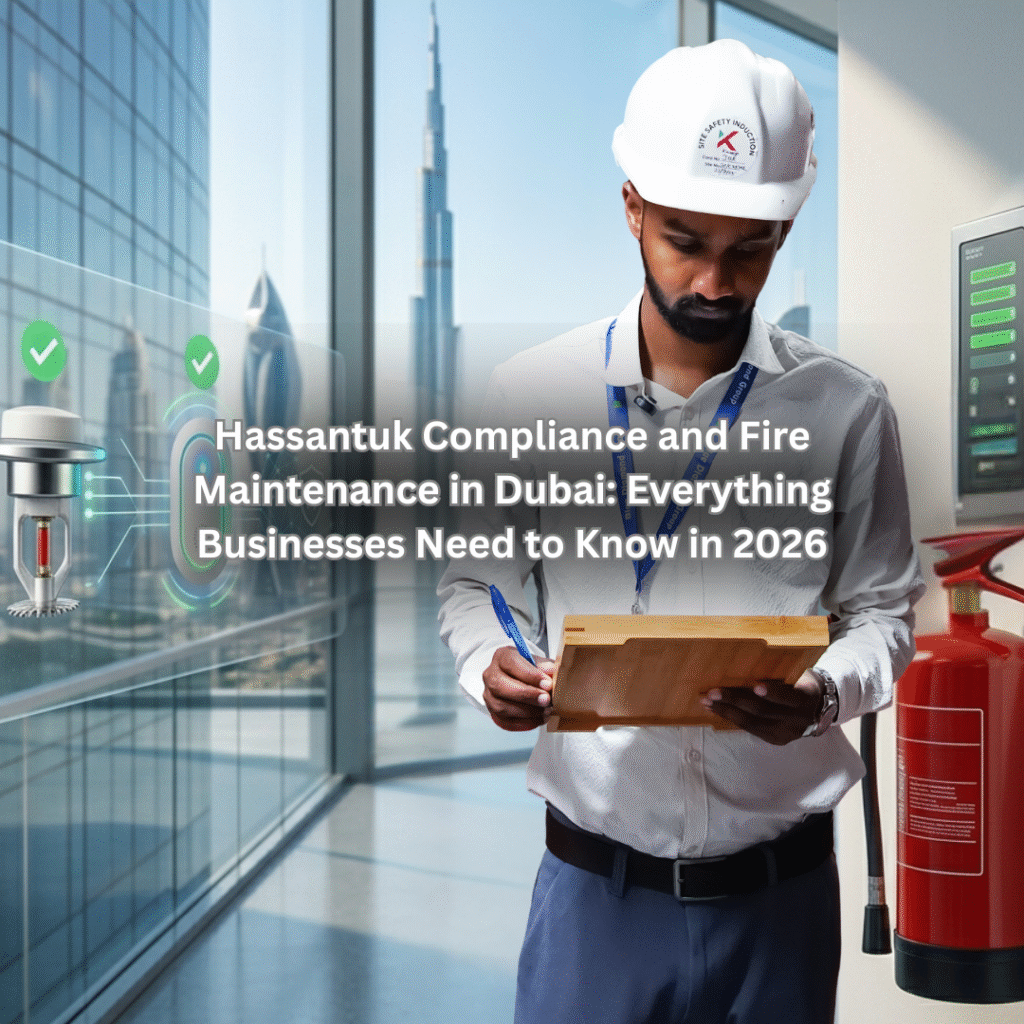
Dubai continues to set global benchmarks in safety, infrastructure, and smart city systems. Among its most important regulatory frameworks is fire safety integration, which every business must follow. At the center of this system is Hassantuk Compliance, a mandatory requirement that connects buildings to Dubai’s emergency response network for faster fire detection and action.
For any commercial or industrial facility, Hassantuk Compliance is not just a technical setup. It is a legal and operational foundation that ensures safety, approval, and uninterrupted business activity. In 2026, the importance of Hassantuk Compliance has grown even further as regulations become more advanced and monitoring becomes fully digital.
Understanding Hassantuk in Simple Terms
To understand how the system works, Hassantuk Compliance is essentially a smart fire alarm integration system that links building safety equipment directly with Dubai Civil Defence monitoring centers. This allows emergency teams to respond instantly when alarms are triggered.
In practical terms, Hassantuk Compliance ensures that fire incidents are not only detected inside a building but also communicated automatically to authorities. This reduces response time and increases the chances of preventing major damage.
Businesses that operate without Hassantuk cannot obtain full operational approvals in Dubai, making it a critical requirement for both new and existing properties.
Why Businesses Cannot Ignore It
One of the biggest reasons Hassantuk is taken seriously is because it directly affects licensing and legal approvals. Without it, companies may face delays in trade license renewals or even restrictions on occupancy certificates.
Another key factor is safety assurance. Compliance ensures that fire alerts are transmitted in real time, giving emergency teams valuable seconds that can save lives and property. This level of protection is essential for offices, warehouses, restaurants, and retail spaces.
Insurance providers also consider Hassantuk Compliance when evaluating risk. Buildings that do not meet standards often face higher premiums. On the other hand, full Hassantuk Compliance can improve trust and reduce financial risk.
For tenants and customers, Hassantuk is also a sign of professionalism. It shows that the business prioritizes safety and follows government regulations.
Core System Requirements
Achieving Hassantuk Compliance requires a properly designed fire safety infrastructure. This includes smoke detectors, heat sensors, alarm panels, emergency lighting, and communication modules that connect directly to monitoring systems.
Each component plays a specific role in maintaining Hassantuk , and all systems must work together without interruption. Even a small fault in one device can affect overall performance.
Regular inspection is also part of maintaining Hassantuk . Authorities require systems to be tested periodically to ensure they remain functional and responsive in emergencies.
The Role of Fire Maintenance
Fire systems are not static installations. They require continuous servicing to maintain Hassantuk Compliance throughout the year. Dust accumulation, wiring issues, or sensor failure can all impact system reliability if not addressed.
Professional maintenance ensures that Hassantuk Compliance remains active by testing alarms, checking control panels, and verifying communication with emergency networks. This reduces the risk of system failure during critical moments.
Many businesses only realize the importance of maintenance when inspections fail. However, consistent servicing helps maintain smooth Hassantuk Compliance without disruptions or penalties.
Common Compliance Challenges
One of the main issues businesses face is neglecting scheduled maintenance. When systems are left unchecked, they gradually lose efficiency and fail to meet Hassantuk standards during inspection.
Another challenge is improper installation. If systems are not set up by certified professionals, they may not integrate correctly with Dubai’s emergency network, resulting in failed Hassantuk Compliance certification.
Outdated equipment is also a major concern. In some cases, businesses continue using older systems that no longer meet updated Hassantuk Compliance regulations introduced by authorities.
What’s New in 2026
The year 2026 has introduced more advanced digital monitoring for fire safety systems. Real time alerts, smart diagnostics, and cloud connected systems are now becoming standard requirements for Hassantuk Compliance.
Authorities are also increasing inspection frequency. Businesses must ensure their Hassantuk Compliance is always active rather than preparing only for annual checks.
Additionally, predictive maintenance technology is being introduced, allowing systems to detect faults before they become critical. This helps improve long term Hassantuk Compliance performance and reduces unexpected failures.
How to Stay Fully Compliant
The first step toward maintaining Compliance is working with certified fire safety providers who understand Dubai Civil Defence regulations. Proper installation ensures the system is correctly integrated from the start.
Next, businesses must follow a strict maintenance schedule. Regular testing and servicing keep Hassantuk Compliance active and reduce the chances of system breakdowns during emergencies.
Documentation also plays an important role. Inspection reports, service records, and upgrade logs must be maintained to prove ongoing Compliance during audits.
Finally, upgrading outdated systems ensures long term stability. Businesses that invest in modern solutions are better positioned to maintain continuous Compliance without interruptions.
Conclusion
Fire safety in Dubai is evolving rapidly, and businesses must keep up with changing regulations. At the center of this system is Hassantuk Compliance, which ensures buildings remain connected, monitored, and protected at all times.
From installation to maintenance, every step contributes to achieving reliable safety standards. Businesses that prioritize Compliance not only meet legal requirements but also build trust, reduce risk, and create safer environments for everyone.
In 2026 and beyond, staying compliant is no longer optional. It is a long term commitment to safety, efficiency, and responsibility through proper Hassantuk Compliance.
Written by YAMIR.CO | Visual Brand Architect
Contact us
Partner with Blue Diamond Firefighting and discover how our project management expertise can simplify and strengthen your next project.
📧 info@bluediamondfm.com
📞 04 254 5445 / 800 2583